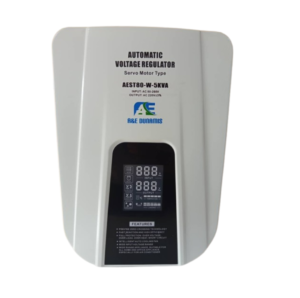
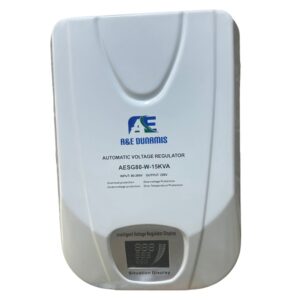
What is a Voltage Regulator and Why You Need One
In Nigeria, one of the biggest threats to electrical appliances and equipment is unstable power supply. Sudden voltage spikes, drops, and fluctuations can damage electronics, reduce their lifespan, and lead to costly repairs. This is where a voltage regulator becomes essential.
In this guide, we’ll explain what a voltage regulator is, how it works, and why every home and business should have one.
What is a Voltage Regulator?
A voltage regulator is an electrical device designed to maintain a constant and stable voltage level to your appliances, regardless of fluctuations in the incoming power supply.
In simple terms:
👉 It ensures your equipment receives the right voltage at all times.
How Does a Voltage Regulator Work?
A voltage regulator continuously monitors the incoming voltage and automatically adjusts it to a safe level.
Here’s how it works:
- Detects voltage changes (low or high)
- Corrects the voltage using internal circuits
- Delivers stable output to connected appliances
For example:
- If voltage drops to 140V → it boosts it
- If voltage rises to 260V → it reduces it
This ensures your appliances always operate within a safe voltage range.
Common Power Problems in Nigeria
- Low voltage (under-voltage)
- High voltage (over-voltage)
- Sudden power surges
- Frequent power fluctuations
These issues can:
- Damage electronics
- Burn appliances
- Cause system failures
- Increase maintenance costs
Why You Need a Voltage Regulator
1. Protects Your Appliances
Voltage fluctuations can destroy TVs, refrigerators, ACs, and industrial equipment. A regulator acts as a shield.
2. Extends Equipment Lifespan
Stable voltage reduces wear and tear, helping your devices last longer.
3. Saves Money
Avoid costly repairs and replacements caused by unstable power.
4. Ensures Consistent Performance
Your appliances work efficiently when supplied with stable voltage.
5. Essential for Solar & Generator Systems
Even with solar or generators, voltage instability can occur. A regulator ensures safe power distribution.
Types of Voltage Regulators
1. Relay-Type Voltage Regulator
- Affordable
- Basic protection
- Suitable for homes
2. Servo Voltage Regulator
- High accuracy
- Smooth voltage correction
- Ideal for offices and industries
3. Static Voltage Regulator
- Fast response time
- No moving parts
- Best for sensitive equipment
Who Needs a Voltage Regulator?
- Homeowners
- Offices and businesses
- Hospitals and laboratories
- Schools and universities
- Factories and industries
👉 Basically, anyone using electrical appliances needs one.
How to Choose the Right Voltage Regulator
Consider the following:
- Capacity (kVA): Must match your load
- Input voltage range: Especially important in low-voltage areas
- Type of equipment: Sensitive vs heavy-duty
- Environment: Home or industrial use
- Quality and durability
Common Mistakes to Avoid
- Buying the wrong capacity
- Ignoring load calculation
- Choosing low-quality products
- Skipping professional installation
A voltage regulator is not a luxury — it is a necessity, especially in environments with unstable power supply. It protects your investment, ensures smooth operation, and gives you peace of mind.
Whether you’re running a home, office, or large facility, installing a voltage regulator is one of the smartest decisions you can make.
Need Reliable Power Protection?
At A&E Dunamis, we provide:
- High-quality voltage regulators (up to industrial capacity)
- Solar and hybrid power solutions
- Professional installation and support
- Protect your appliances. Stabilize your power. Choose A&E Dunamis.