
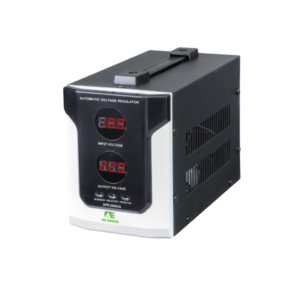
In Nigeria, unstable electricity supply is a common challenge. Voltage fluctuations — whether too high or too low — can damage appliances, reduce their lifespan, and lead to costly repairs. One of the most effective ways to protect your home is by installing a voltage regulator (stabilizer).
However, choosing the right kVA capacity is crucial. Too small, and it won’t carry your load. Too large, and you may overspend unnecessarily. This guide will help you understand how to select the right kVA voltage regulator for your home.
What is a Voltage Regulator?
A voltage regulator is a device that maintains a stable output voltage regardless of fluctuations in the input power supply.
It ensures that your appliances receive consistent electricity, protecting them from:
- Over-voltage (high current)
- Under-voltage (low current)
- Sudden power surges
Why You Need a Voltage Regulator in Nigeria
Power supply in many areas can drop as low as 90V or spike above 260V. This can:
- Damage refrigerators, TVs, and AC units
- Affect performance of electronics
- Increase maintenance and replacement costs
A voltage regulator protects your entire home or selected appliances from these risks.
What Does kVA Mean?
kVA (Kilovolt-Ampere) measures the power capacity of a voltage regulator.
It determines how much electrical load the regulator can handle safely.
The higher your total appliance load, the higher the kVA you need.
How to Calculate the Right kVA for Your Home
Step 1: List Your Appliances
Common household appliances include:
- Air conditioners (AC)
- Refrigerator
- TV
- Lights
- Pumping machine
- Microwave
- Washing machine
Step 2: Check Power Ratings (Watts)
Each appliance has a watt rating (W).
Example:
- 1.5HP AC = ~1500W
- Refrigerator = ~300W
- TV = ~100W
Step 3: Add Total Load
Sum up all appliance wattage.
Example:
Total = 3000W
Step 4: Convert to kVA
Formula:
kVA = Total Watts ÷ 1000 ÷ Power Factor (0.8)
Example:
3000 ÷ 1000 ÷ 0.8 = 3.75 kVA
Step 5: Add Safety Margin
Always add 20–30% extra capacity.
Recommended: 5 kVA regulator
🏠 Recommended kVA Sizes for Homes
| Home Type | Suggested kVA |
|---|---|
| Small apartment (basic appliances) | 2kVA – 5kVA |
| Medium home (1–2 ACs) | 5kVA – 10kVA |
| Large home (multiple ACs, pump) | 10kVA – 20kVA |
| Duplex / heavy load | 20kVA+ |
Factors to Consider When Choosing a Voltage Regulator
1. Input Voltage Range
Choose a regulator that works with low voltage (e.g., 90V–260V).
2. Load Type
Heavy appliances like ACs and pumps require higher capacity.
3. Single-Phase vs Three-Phase
- Homes → Single-phase
- Large buildings → Three-phase
4. Efficiency & Build Quality
Go for durable, high-quality regulators built for Nigerian conditions.
❌ Common Mistakes to Avoid
- Choosing a regulator too small for your load
- Ignoring starting current of appliances (especially ACs and pumps)
- Buying low-quality products
- Not consulting professionals
Benefits of Using the Right kVA Regulator
- Protects all appliances
- Extends equipment lifespan
- Ensures stable performance
- Reduces repair costs
- Improves overall power efficiency
